


A Guide to Waterproof Ratings for Horse Riders: What Every Rider Needs to Know
For horse riders, being prepared for the elements is part of our everyday life. Whether you’re schooling in light drizzle in the spring and summer months, hacking across open countryside in a sudden downpour, or warming up at a competition during unpredictable weather, waterproof riding clothing is essential for comfort, safety, and performance.
However, not all waterproof garments are created equal. Expressions like ‘5,000mm waterproof rating’ or ‘20,000mm hydrostatic head’ can be confusing, leaving many riders unsure which level of protection they actually need.
In this definitive guide, as the best waterproof riding coats experts, we explain how waterproof ratings work, what the numbers mean, and how to choose the right waterproof gear for horse riding so you stay dry, comfortable, and focused in the saddle any time of the year!

What Are Waterproof Ratings in Riding Clothing?
Waterproof ratings measure how resistant a fabric is to water penetration. They are usually expressed in millimetres (mm) and sometimes determined through a test called the ‘hydrostatic head test’.
In simple terms, the test measures how much water pressure a fabric can withstand before water begins to leak through it.
For example:
- 5,000mm rating: fabric can resist 5,000mm of water pressure
- 10,000mm rating: suitable for moderate rain
- 20,000mm+ rating: designed for heavy rain and extreme weather
For equestrians, this rating is particularly important due to the nature of who we are and what we do; after all, we don’t just ride in wet weather; we practically live all year round outdoors, so our outerwear needs to be high-performance, comfortable, and breathable!
Why Waterproof Ratings Matter for Horse Riders
Horse riding poses unique challenges for equestrian sportswear designers compared to other outdoor activities. Riders spend long periods stationary in the saddle, exposed to the elements, and often encounter wet tack, muddy conditions, and persistent rain.
Choosing the right waterproof rating ensures:
1. The Perfect Level Of Protection
Whilst lower-rated garments may cope with light showers, they can quickly become saturated during longer rides. Choose the right level of protection for your needs.
2. Sitting Pretty
When we ride, mechanical pressure from our static positioning in the saddle can force water through fabric if the garment design is not well considered, which means riders typically need higher waterproof ratings than walkers or casual outdoor users. Afterall, no one wants wet thighs, back or bottom!
3. Temperature Regulation
High-quality waterproof riding coats and jackets always incorporate breathable membranes. Breathability in a riding coat helps to prevent overheating while continuing to protect the rider from rain.
4. Durability in Yard Conditions
Riding gear must handle mud, stable work, grooming, and yard duties, making robust, waterproof protection essential. That is why our coats are machine washable with waterproofing wash and care.
Ultimately, choosing the correct waterproof rating protects both performance and rider well-being.

How Waterproof Is An Equetech Coat?
All Equetech coats & jackets are constructed from performance fabrics that embrace the latest fabric technology found in extreme sports clothing and are tested to achieve hydrostatic head ratings up to 16,000 mm. We offer a superior combination of waterproofing and breathability, making Equetech waterproofs a popular choice for equestrians facing high winds, heavy rain, wet snow, and extreme outdoor conditions year-round.
We also go beyond fabric testing. Our waterproof riding coats are tested by real riders, and designs are tweaked to perfection before the final product run and delivered to you with confidence. Each Equetech coat includes:
- Fully taped zips and seams to prevent water recess at stress points
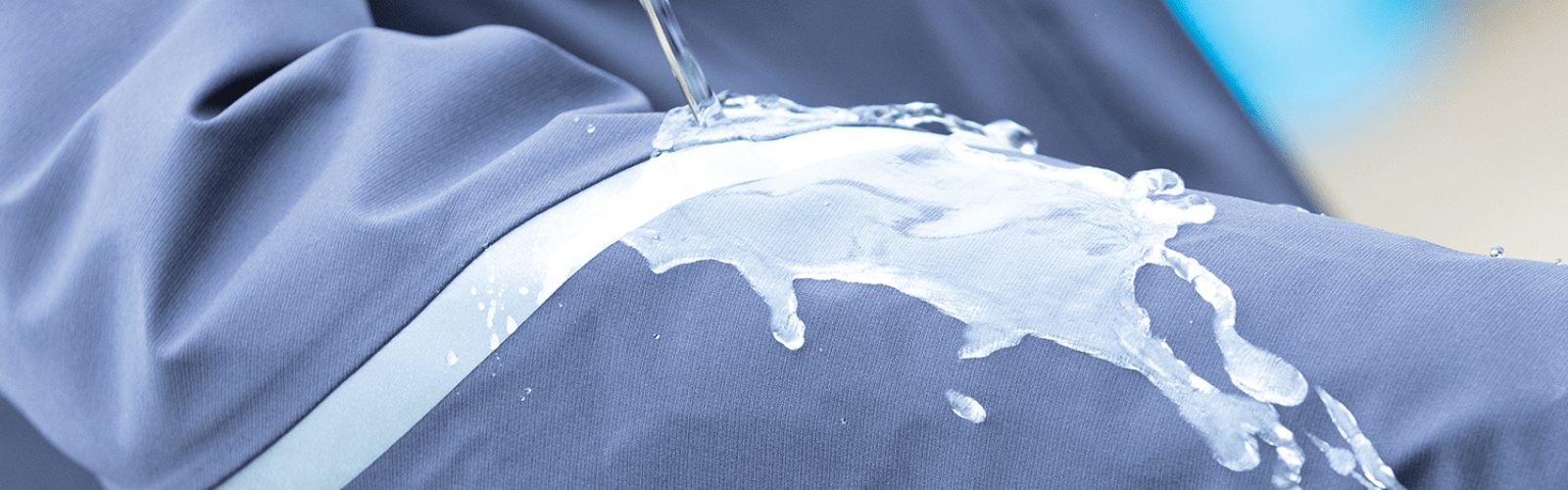
- Durable waterproof coatings that cause rain to bead and roll off
- Internal waterproof membrane to further protect the rider from the elements
- Strengthened construction to sustain protection and longevity
- Classic, stylish design, created to stand the test of time
- Functional details for performance, not fashion
Equetech waterproof coats cannot be compared to other brands because we are unique in our approach and design philosophy, which embraces fabric innovation and intelligent design.

Understanding Waterproof Ratings: What the Numbers Mean
Most riders will automatically look for the highest waterproof rating they can find, but you need to understand the ‘pay off’ that extremely high waterproof ratings can have on wearer experience. Here is a guide to help:
3,000mm – 5,000mm Waterproof Rating
Best suited for:
- Light showers
- Short rides
- Drier seasonal use
This level offers basic water resistance, but prolonged exposure to rain or saddle pressure may cause moisture to penetrate the fabric.
Recommended for fair-weather riders or summer showers, rather than winter riding.
8,000mm – 10,000mm Waterproof Rating
Best suited for:
- Moderate showers
- Regular riding
- Variable weather conditions
This rating is popular for equestrian jackets and riding coats, offering reliable protection without excessive bulk.
For many riders, 10,000mm provides a practical balance between waterproofing and breathability.
15,000mm – 20,000mm Waterproof Rating
Best suited for:
- Heavy rain
- Long hacks
- Winter riding
Garments with this rating are designed for serious weather protection and are ideal for riders spending extended time outdoors.
These fabrics resist higher water pressure, making them especially useful for riders in sustained rainfall.
20,000mm+ Waterproof Rating
Best suited for:
- Persistent and prolonged extreme weather exposure
- Those who are not actively riding or working
Higher waterproof ratings often come at the expense of breathability. A 20+K coat requires higher-quality, more expensive breathability technology to prevent the rider from getting soaked from sweat inside while staying dry from heavy rainfall, making this an expensive choice for most horse riders’ budgets. If it’s boasting 20K in its marketing, then what’s its exact breathable rating? You need to check!

Waterproof vs Water Resistant: What’s the Difference?
Understanding the difference between water-resistant and waterproof riding gear is essential.
|
Protection level |
Light moisture |
Heavy rain |
|
Fabric construction |
Coated surface |
Waterproof membrane |
|
Rain exposure |
Short showers |
Prolonged rainfall |
|
Suitable for riding |
Limited |
Yes |
For horse riders, true waterproof garments with a measurable rating are strongly recommended.

Breathable Ratings Affect Waterproof Ratings in Riding Clothing
The highest waterproof rating in the award-winning Equetech range of waterproof riding coats is 16,000mm. For three reasons;
- The effectiveness of a waterproof garment relies heavily on seam sealing, water-repellent zippers, and durable coatings. A 16K garment with excellent, taped seams is often more effective than a higher-rated fabric with weaker construction.
- If we add ‘breathable’ into the waterproof clothing mix, this affects your waterproof rating. Because if a garment is 100% waterproof, it can’t be any percentage breathable! And why do we need breathable? Because equestrians are active! We aren’t static when it’s raining, we’re riding , doing yard duties or poo picking fields! You need a breathable rating so you can stay comfortable and let moisture escape. How breathable your riding coat is depends on the fabric's moisture vapour transmission rate (MVTR). For horse riders, you’re looking for a breathability rating of 5,000g/m² or higher, to help prevent overheating during active rides while still keeping the rain out.
- Equetech waterproof coats have an outer durable water repellent (DWR) coating on the surface of the fabric and a membrane inside. This dual protection effectively protects the rider while still allowing moisture to escape from the active rider.
Expert Advice: Choosing the Right Waterproof Rating for Riding
When selecting waterproof riding gear, Liz Hayman, Equetech’s designer, recommends riders consider the following:
1. Think About Riding Duration
Short hacks may only require 5,000–10,000mm protection, but longer rides demand higher ratings.
2. Evaluate Seasonal Riding
Is this a jacket or a coat you’ll want to wear all year round, or a summer jacket? Winter riders typically benefit from waterproof protection of 15,000mm or higher.
3. Look Beyond the Fabric Rating
Waterproof performance also depends on:
- Taped seams
- Breathability rating
- Waterproof zips
- Storm flaps
- Adjustable cuffs
4. Choose Riding-Specific Designs
Equestrian waterproofs are designed for horse riding. Longer-length riding coats consider leg coverage, and even shorter-style riding jackets regard the rider's saddle position and freedom of movement, unlike standard outdoor jackets.
5. Prioritise Breathability
Always choose a waterproof garment with a breathability rating to help prevent overheating during active riding.
Why Choosing the Right Waterproof Rating Is Imperative
For riders, poor waterproofing doesn’t just cause discomfort; it can affect enjoyment, focus, and performance.
Wet clothing can lead to:
- Reduced concentration while riding
- Increased risk of chills in cold conditions
- Distracting discomfort in the saddle
- Reduced mobility due to heavy, soaked garments
Investing in the appropriate waterproof rating ensures riders remain protected, comfortable, and able to perform at their best regardless of the weather.

Frequently Asked Questions About Waterproof Ratings for Horse Riders
What Is the Best Waterproof Rating for Horse Riding?
Most riders benefit from a minimum waterproof rating of 10,000mm, which offers reliable protection during regular riding in moderate rain.
For winter riding or prolonged exposure, we recommend 15,000K-16,000 with a 5,000mm breathable rating.
Is 5,000mm Waterproof Enough for Riding?
Equetech’s waterproof clothing starts at a minimum rating of 10,000mm. While there are some waterproof riding jackets on the market with a 5,000mm rating that claim to protect against light showers, they may not provide sufficient protection, especially when seated in the saddle during light rain.
Do Waterproof Ratings Affect Breathability?
In equestrian clothing, we believe they do. In outdoor activity wear, high-quality fabrics can offer both high waterproof ratings and excellent breathability. However, the equestrian market is flooded with cheaper fabrics that may sacrifice airflow for water resistance, which is why it’s important to check a garment's breathability rather than be impressed by a higher-than-average waterproof rating or a video of someone blasting a coat with a hosepipe for 5 seconds.
Are Expensive Waterproof Riding Jackets Worth It?
Premium waterproof riding jackets often include:
- Higher waterproof ratings
- Advanced breathable membranes
- Riding-specific tailoring
- Durable waterproof seams
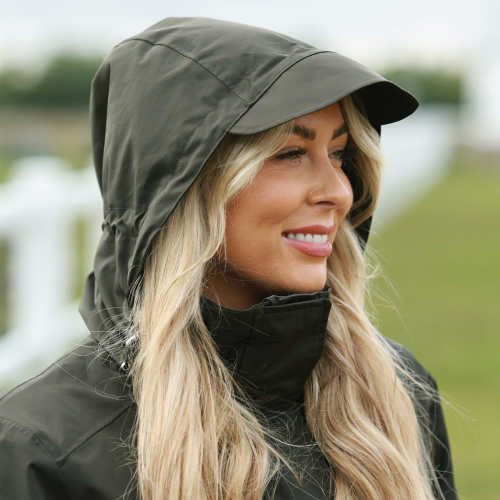
- Considered design and details such as waterproof zips, storm flaps, and hoods that feature a peak to wear over your riding hat in extreme weather
- Machine washable care label
- Fabric considerations - for example, a fleece-lined coat might feel cosy, but if it gets wet, it will feel heavy, won’t dry quickly, and will pick up shavings and dirt; whereas a quilt lining with an ultra-light but very warm eco-fill does the same job, just smarter.
For riders who spend significant time outdoors, investing in quality waterproof gear can dramatically improve comfort and extend the garment's lifespan.
How Can Riders Maintain Waterproof Clothing?
To preserve waterproof performance:
- Clean with a specialised waterproofing wash, such as Nikwax.
- Avoid washing with standard detergents as these can break down the membrane.
- Reapply durable water repellent (DWR) treatments when needed.
- Sponge off dirt and mud rather than continually washing, as this can compromise the performance coating.
- Never allow dirt and mud to build up on your coat for long. Over time, dirt, dust, and mud will shorten the natural lifespan of the protective membrane, so care for your coat.
- Never dry on direct heat, but air-dry your garment.
Caring for your Waterproof Riding Coat helps maintain its waterproofing and breathability over time.
Final Thoughts
Understanding waterproof ratings not only empowers riders to choose outerwear that performs in real-life riding conditions, but from all-year-round hacks to all-weather training, the right waterproof protection makes a measurable difference to comfort and enjoyment.
By selecting clothing with appropriate waterproof ratings, breathable fabrics, and equestrian-specific design, horse riders can stay dry, comfortable, and focused, no matter the forecast.
Do Waterproof Riding Coats Lose Their Waterproof? And Other Questions