


Article: Cold Weather Horse Riding: Winter Layers & What to Wear
Cold Weather Horse Riding: Winter Layers & What to Wear
There’s a particular kind of optimism that comes with being an equestrian in autumn. One minute, you’re enjoying a crisp morning hack in the sunshine; the next, you’re searching the tack room for the gloves you haven’t seen since February!
Before we know it, the cold weather will be upon us, and when it does, a little preparation can make the difference between equestrians enjoying winter riding and spending every yard visit wondering whether you’ll ever feel your toes again.
The secret isn’t necessarily wearing more. It’s wearing smarter.
From choosing the right thermal horse riding clothes to keeping wind and rain at bay, a well-planned winter riding wardrobe can help you stay warm, comfortable and ready to ride, without feeling bulky in the saddle.

Why Cold Weather Preparation Matters for Horse Riders
Horse riding is unusual because your activity level can change dramatically within the space of an hour.
You might start by standing relatively still while grooming and tacking up, become much warmer while schooling, cool down again during a relaxed hack and then spend another hour doing yard jobs.
That makes temperature regulation particularly important. At Equetech, we design clothes that don’t just look good; they perform under pressure and do what they say on the tag!
Rather than relying on one very heavy coat, think of your winter horse riding clothing as a flexible system. Each layer should have a purpose and, ideally, be easy to add, remove or adjust as your activity level and the weather change.
The goal is simple: warmth without unnecessary bulk, protection without restricted movement and comfort from the first feed of the morning to the final stable check.
Start Your Winter Riding Wardrobe Before the Temperature Drops
The best time to discover your waterproof riding coat needs reproofing probably isn’t five minutes before a wet and windy hack.
Before winter properly sets in, give your cold-weather riding kit a quick MOT.
Check your waterproof jackets and waterproof trousers, find your thermal riding layers, pair up your winter socks and make sure your winter riding gloves are still fit for purpose.
If you use rechargeable heated riding clothing, charge the batteries and check everything is working before the first properly cold morning.
It’s also worth keeping a small collection of winter essentials somewhere easy to reach. Spare gloves, dry socks and an additional base layer can transform a long day at the yard when the weather turns unexpectedly.

How to Layer for Horse Riding in Cold Weather
Good winter layering is less about piling on clothing and more about creating several complementary layers.
1. Begin with a breathable thermal base layer
Your horse riding base layer sits closest to your skin, so it has an important job to do.
Look for breathable, moisture-managing fabrics that provide warmth while helping perspiration move away from the body. This becomes particularly important when you’re schooling, mucking out or wearing a body protector.
A bulky layer might feel wonderfully cosy while you’re standing still, but once you start riding, overheating and trapped moisture can quickly leave you feeling uncomfortable — and colder once you stop moving.
Close-fitting thermal riding tops and leggings are therefore useful foundations for a winter outfit.
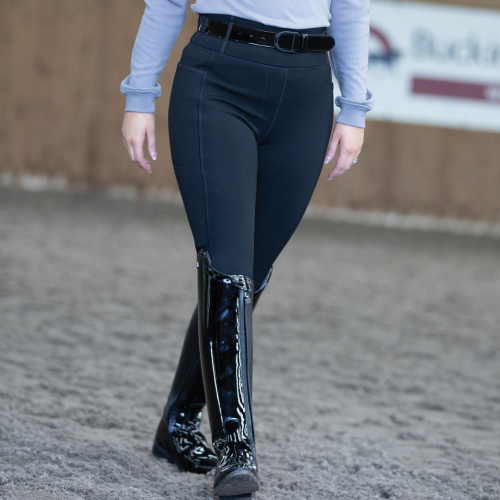
And don’t forget your legs. Thermal underlayers can add valuable insulation beneath your usual breeches or riding tights without requiring an entirely different riding wardrobe.

2. Add an insulating mid-layer
Your second layer is where you can start building warmth.
A fleece, thermal top, lightweight jacket or equestrian gilet can all work well depending on the temperature and what you’re doing.
Investing in a gilet is particularly useful for riders because they help insulate your core while leaving your arms unrestricted. You can also wear them under a larger riding coat when temperatures drop further.
On especially cold days, heated equestrian clothing can provide another option. Adjustable heated layers allow riders to add targeted warmth without relying solely on increasingly bulky insulation.
The important word here is adjustable.
Winter mornings can be freezing, while the same afternoon can feel surprisingly mild. Choose layers you can unzip, remove or adapt rather than creating an outfit that only works at one temperature.

3. Finish with a Weatherproof Riding Coat
Warmth alone isn’t enough when the British weather gets involved.
Wind can make a cold day feel significantly less comfortable, while getting wet can quickly undermine even the warmest layers underneath.
Your outer layer should therefore be chosen according to the conditions.
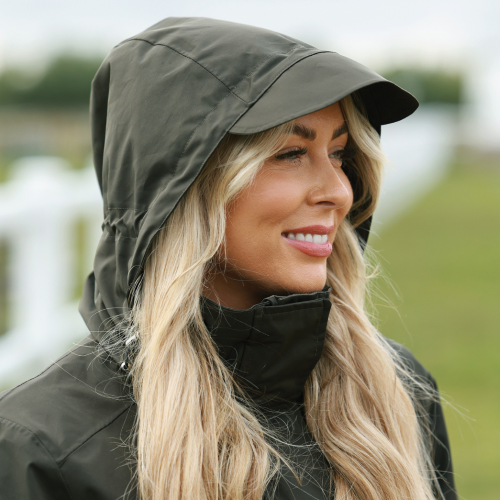
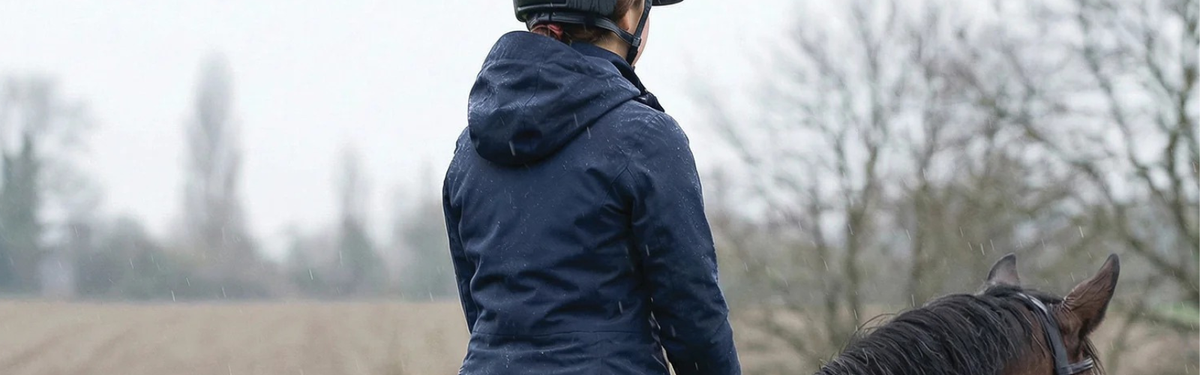
For wet winter weather, a waterproof horse riding coat designed specifically for equestrian use offers practical advantages. Look for features that support movement in the saddle, alongside appropriate waterproofing and breathability.
For hacking and long periods outside, a longer riding coat can provide additional coverage across the upper legs. For schooling or active yard work, a shorter jacket may provide greater freedom and help prevent overheating.
Whatever style you prefer, your winter outerwear should allow you to ride naturally rather than making you feel as though you’re tackling a dressage test inside a duvet.

Don’t Neglect Your Hands, Feet and Ears
Ask riders where they feel the cold first, and hands and feet are likely to feature heavily.
Good winter horse riding gloves need to balance warmth with feel. You still need to hold the reins comfortably, adjust tack and manage fiddly buckles, so excessively thick gloves aren’t always practical.
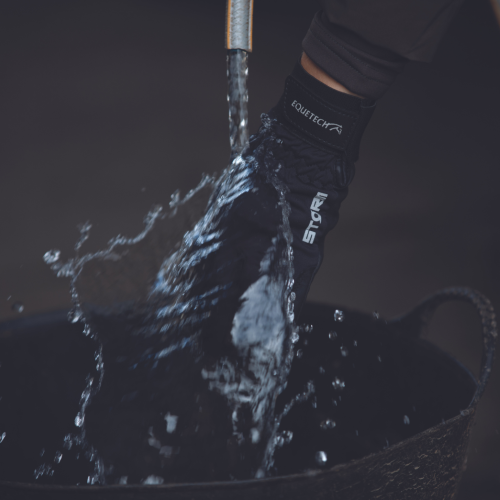
Waterproof or weather-resistant riding gloves can be particularly useful in wet conditions, while heated riding gloves offer additional warmth for riders who spend long periods outdoors.
Your feet deserve the same attention.
Choose comfortable winter riding socks that help manage moisture without creating excessive bulk inside your boots. Cramming several thick pairs of socks into closely fitted riding boots can actually become uncomfortable, so a good-quality insulating layer is often preferable to simply adding more.
Ear and neck warmers designed for equestrian use can also provide welcome protection from biting winds. Anything worn with a riding helmet should always be designed and fitted so it does not compromise the helmet’s correct fit or safety.

What to Wear for Winter Yard Work
One of the challenges of winter equestrian life is that riding may only account for part of your day.
There are feeds to make, stables to muck out, haynets to fill, horses to turn out and fields that somehow become muddier every time you look at them.
For yard work, prioritise clothing that allows plenty of movement and can cope with changing conditions.
A thermal base layer, flexible mid-layer and waterproof outer shell creates a versatile combination. Waterproof over-trousers can be invaluable on wet days because they protect your riding clothes underneath and can be removed before you get into the saddle.
This is also where having removable layers pays off. You may need far more insulation while filling water buckets in a freezing wind than you do ten minutes later while pushing a loaded wheelbarrow.

What Should You Wear for a Cold Winter Hack?
Winter hacking creates another set of considerations.
Because you may be moving at a relatively steady pace, you might not generate the same amount of heat as you would during an intensive schooling session.
The perfect cold winter hack outfit comprises a technical base layer, which will add insulation according to the temperature. A weatherproof outer layer can help protect against cold winds and unexpected showers, while warm riding gloves and suitable breathable riding socks keep extremities comfortable.
Visibility also matters during the darker months. Shorter days, overcast conditions and low winter sun can make riders harder for other road users to see, so appropriate hi-vis horse and rider wear should form part of your winter hacking preparation.
Always consider the conditions, your route and your horse before setting out.

Heated Riding Clothing: Is It Worth It?
For riders who genuinely feel the cold, heated equestrian clothing can change the winter experience considerably.
Rather than simply trapping body heat, heated riding garments use powered heating elements to provide warmth in targeted areas.
This can be particularly useful for early-morning yard duties, spectating at competitions, teaching, long hacks and riders who spend extended periods outside.
Equetech’s Winter Warmers range includes cold-weather riding essentials alongside selected heated products, including heated riding gloves, coats and waterproof over-breeches.
As with conventional layers, the best heated riding clothing should still allow you to move comfortably and perform normal equestrian tasks without feeling restricted.

Your Cold Weather Riding Checklist
Before the first serious cold snap, make sure your winter wardrobe includes:
- Breathable thermal riding base layers
- Warm riding breeches, tights or thermal underlayers
- A cosy insulating fleece, jacket or gilet
- A waterproof riding coat
- Waterproof over-trousers for wet yard days
- Warm winter riding socks
- Weather-appropriate riding gloves
- Ear and neck protection suitable for equestrian use
- Hi-vis clothing or accessories for winter hacking
- A spare dry layer for particularly wet days
You don’t necessarily need everything at once. Building a collection of versatile pieces that work together is often more useful than buying one outfit for a very specific weather condition.
The Most Common Winter Layering Mistakes
One of the biggest mistakes riders make is dressing for how cold they feel when they first arrive at the yard rather than how warm they’ll become once they start moving.
Too many heavy layers can cause overheating. Once those layers become damp with perspiration, you can feel much colder when your activity level drops.
Another common mistake is forgetting about breathability. Waterproof protection is valuable, but your clothing also needs to manage the heat and moisture generated underneath it. The Equetech range is designed by horse rider Liz Hayman, so functionality is an essential element in every accessory and garment Liz creates.
Finally, don’t overlook fit.
Your winter riding clothing needs to work as a complete outfit. Base layers should sit comfortably beneath breeches, mid-layers shouldn’t restrict your shoulders, and coats should allow you to sit naturally in the saddle.
Warmth is important, but freedom of movement remains essential.

Frequently Asked Questions About Cold Weather Horse Riding
Liz Hayman, Equetech Designer, answers FAQ customer questions;
What is the best way to layer clothes for winter horse riding?
A breathable thermal base layer is the best way to start. Then add a lightweight insulating mid-layer such as a fleece or gilet, and finish with a weatherproof outer layer appropriate to the conditions. This gives you the flexibility to add or remove warmth as your activity level changes.
What should I wear horse riding when it is very cold?
Choose thermal base layers, insulated riding legwear, a warm mid-layer and a windproof or waterproof riding coat. Add appropriate winter riding gloves, warm socks and equestrian ear or neck protection. Heated riding clothing can provide additional targeted warmth in particularly cold conditions.
Are thermal base layers good for horse riding?
Yes, because technical thermal base layers can help retain warmth while managing moisture and reducing unnecessary bulk. Look for designs that offer stretch and freedom of movement for riding.
How do I keep my legs warm when horse riding in winter?
Thermal riding tights or winter breeches are one option. Alternatively, thermal under-breeches can be worn underneath existing breeches or jodhpurs to provide an additional insulating layer.
How do I stay warm at the yard without overheating when I ride?
Wear several lighter layers rather than one very heavy garment. This allows you to remove or ventilate layers as you become more active and add them again when you cool down.
What is the best coat for horse riding in winter?
The best winter riding coat depends on the weather conditions and your riding activity. For wet weather, look for a waterproof, breathable equestrian coat with riding-friendly features and enough freedom of movement. Longer riding coats can offer extra coverage for hacking, while shorter jackets can work well for schooling and active yard duties.

Ready for Whatever Winter Brings
Winter riding has its challenges, but it also has some of the best moments of the equestrian year: quiet frosty mornings, steaming horses after a good schooling session and those rare, perfect hacks beneath clear winter skies.
Preparation makes those days considerably easier to enjoy.
Build your wardrobe around breathable base layers, adaptable insulation and reliable weather protection, then add extra warmth where you need it most.
Because the best winter riding clothing shouldn’t make you think about what you’re wearing.
It should simply let you get on with enjoying time with your horse in and out of the saddle.
Explore our full range of Equetech winter riding clothing, thermal layers, waterproofs and cold-weather essentials designed to keep equestrians warm, comfortable and ready for every winter ride.